
Bowling economically is one of the most valuable skills in ODI cricket because restricting runs can create pressure even when a bowler does not take many wickets. England and India have shared a long and competitive ODI rivalry, producing several memorable bowling performances over the years. Some bowlers have managed to keep the scoring rate remarkably low through accurate bowling, disciplined line and length, clever variations, and consistent pressure. The Best Economy Rates in an Innings in England vs India ODIs feature bowlers from different generations who showed outstanding control against strong international batting line-ups.
The Best Economy Rates in an Innings in England vs India ODIs also demonstrate that bowling figures cannot be judged only by the number of wickets taken. A spell in which a bowler gives away very few runs can be extremely important because it prevents the opposition from building momentum. From experienced England bowlers such as Derek Underwood, Peter Lever, Bob Willis, and John Emburey to Indian stars such as Bhuvneshwar Kumar, Ravindra Jadeja, and Harbhajan Singh, these players produced highly economical spells. Here is the countdown of the top 10 performances, beginning at number 10 and moving toward the best figure at number 1.
List of 10 Best Economy Rates in an Innings in England vs India ODIs
10. DL Underwood
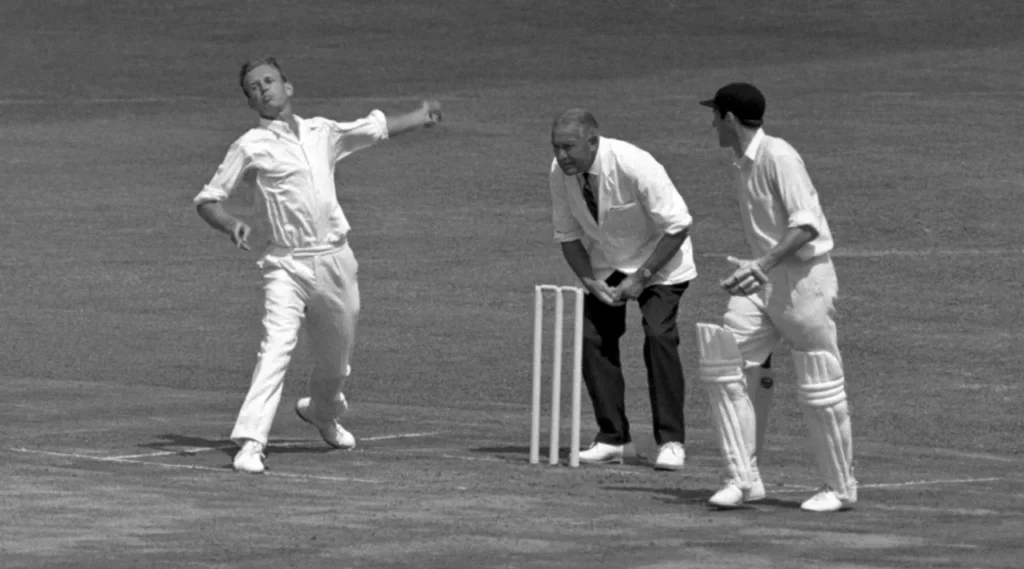
Derek Underwood produced an excellent economical performance for England against India in Ahmedabad in 1981. The left-arm spinner completed his full 10-over spell and conceded only 18 runs. He also claimed two wickets and bowled three maiden overs, giving England a highly effective performance with both control and breakthroughs. His economy rate of 1.80 shows how successfully he restricted India’s scoring throughout his spell.
Underwood’s disciplined approach made life difficult for the Indian batters, as he rarely allowed them easy scoring opportunities. Bowling three maiden overs added further pressure and helped keep the overall scoring rate under control. His combination of wickets, maidens, and a low economy rate makes the spell one of the notable entries in the Best Economy Rates in an Innings in England vs India ODIs.
| Overs | Mdns | Runs | Wkts | Econ |
|---|---|---|---|---|
| 10.0 | 3 | 18 | 2 | 1.80 |
9. B Kumar

Bhuvneshwar Kumar delivered a highly economical spell against England in Birmingham in 2014. The Indian fast bowler completed eight overs and conceded only 14 runs while taking two wickets. He also bowled three maiden overs, which helped India keep England’s scoring under control. His final economy rate of 1.75 placed the performance among the Best Economy Rates in an Innings in England vs India ODIs.
Bhuvneshwar’s ability to move the ball and maintain a tight line was particularly effective during this spell. England struggled to find regular scoring opportunities, while the three maiden overs increased the pressure on the batting side. Taking two wickets while giving away only 14 runs made this an excellent all-round bowling performance and a memorable entry in the Best Economy Rates in an Innings in England vs India ODIs.
| Overs | Mdns | Runs | Wkts | Econ |
| 8.0 | 3 | 14 | 2 | 1.75 |
READ MORE: Top 5 Batters with the Highest Scores in England vs India ODIs
8. RA Jadeja

Ravindra Jadeja produced a controlled spell for India against England in Kochi in 2013. The left-arm spinner bowled seven overs and conceded just 12 runs while taking two wickets. He also bowled one maiden over and finished with an economy rate of 1.71, demonstrating his ability to restrict scoring while also providing breakthroughs.
Jadeja’s accuracy and ability to bowl quickly through the air made it difficult for England to attack him. The 12 runs conceded from seven overs kept the pressure firmly on the English batting line-up. His two wickets added further value to the spell, making this performance a strong example of the Best Economy Rates in an Innings in England vs India ODIs.
| Overs | Mdns | Runs | Wkts | Econ |
| 7.0 | 1 | 12 | 2 | 1.71 |
7. A Flintoff

Andrew Flintoff produced a disciplined spell against India at Southampton in 2007. The England all-rounder bowled seven overs and gave away only 12 runs while taking one wicket. His economy rate of 1.71 showed his excellent control and ability to prevent the Indian batters from scoring quickly during an important stage of the innings.
Flintoff’s pace and accuracy allowed him to maintain pressure even without taking a large number of wickets. By limiting India to only 12 runs from seven overs, he made it harder for the batting side to maintain momentum. This economical spell remains one of the notable performances in the Best Economy Rates in an Innings in England vs India ODIs and highlights Flintoff’s effectiveness as a bowler.
| Overs | Mdns | Runs | Wkts | Econ |
| 7.0 | 0 | 12 | 1 | 1.71 |
6. P Lever
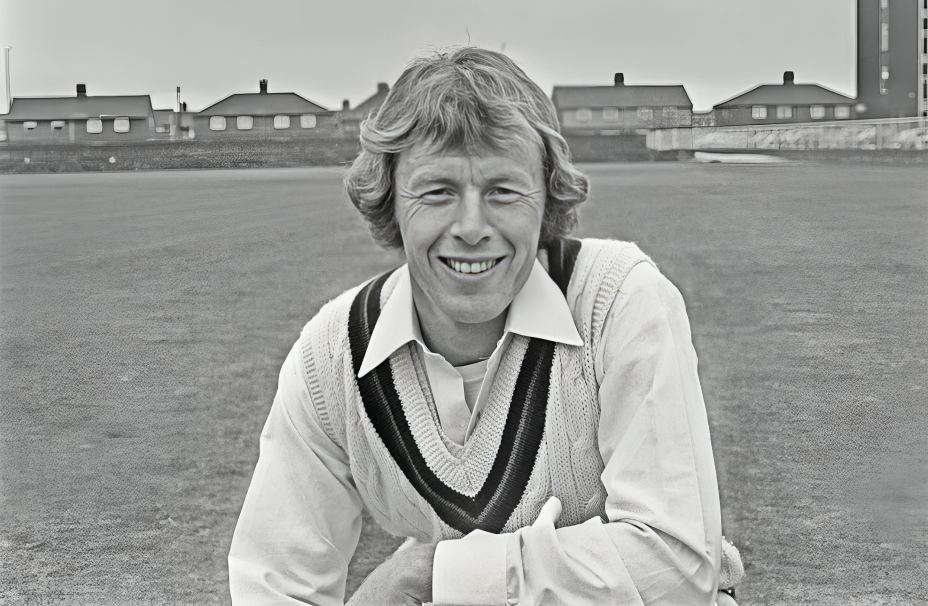
Peter Lever delivered a highly impressive bowling performance against India at Lord’s in 1975. He bowled his complete 10-over spell and conceded only 16 runs while taking one wicket. His economy rate of 1.60 was excellent and showed his ability to stay accurate over a long spell.
Lever did not need many maiden overs to keep India’s scoring rate low. Instead, he consistently restricted the batters by maintaining a disciplined line and preventing easy scoring opportunities. His spell remains an important part of the Best Economy Rates in an Innings in England vs India ODIs, particularly because he completed 10 overs while giving away only 16 runs.
| Overs | Mdns | Runs | Wkts | Econ |
| 10.0 | 0 | 16 | 1 | 1.60 |
5. A Flintoff

Andrew Flintoff appears again in the countdown after producing another outstanding spell against India. During the 2003 ODI at Durban, the England all-rounder bowled all 10 overs and conceded just 15 runs. He also claimed two wickets and delivered two maiden overs, finishing with an exceptional economy rate of 1.50.
This performance demonstrated Flintoff’s ability to combine wicket-taking with excellent run control. Giving away only 15 runs from a complete 10-over spell put significant pressure on the Indian batting line-up. His two wickets made the contribution even more valuable and placed this spell firmly among the Best Economy Rates in an Innings in England vs India ODIs.
| Overs | Mdns | Runs | Wkts | Econ |
| 10.0 | 2 | 15 | 2 | 1.50 |
4. RGD Willis
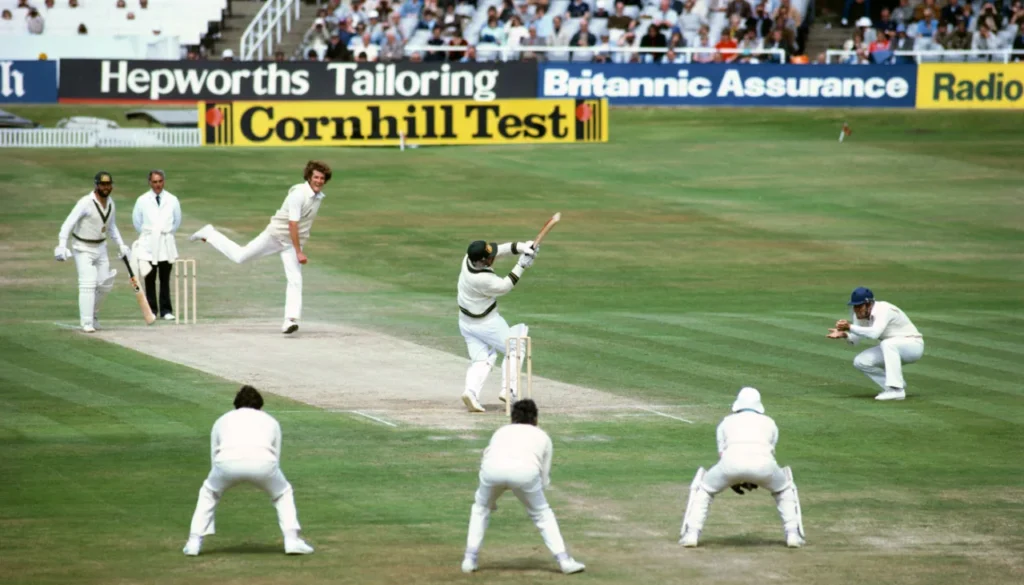
Bob Willis produced a superb economical performance against India at The Oval in 1982. The England fast bowler completed seven overs and conceded only 10 runs while taking one wicket. He also bowled two maiden overs, helping him finish with an outstanding economy rate of 1.42.
Willis used his pace and accuracy to make scoring difficult for the Indian batters. Conceding only 10 runs from seven overs meant India had very little opportunity to build momentum during his spell. His performance demonstrates the importance of sustained pressure and deserves its place among the Best Economy Rates in an Innings in England vs India ODIs.
| Overs | Mdns | Runs | Wkts | Econ |
| 7.0 | 2 | 10 | 1 | 1.42 |
3. Harbhajan Singh
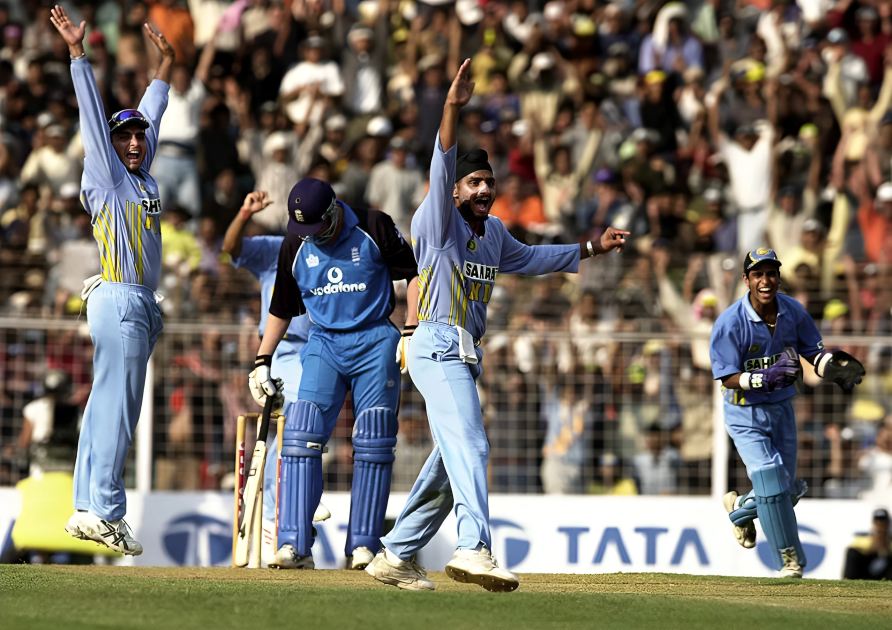
Harbhajan Singh delivered one of India’s finest economical bowling spells against England at The Oval in 2004. The off-spinner completed his entire 10-over allocation and conceded only 14 runs. He also took two wickets and bowled two maiden overs, resulting in an outstanding economy rate of 1.40.
Harbhajan maintained excellent control throughout his spell and prevented England from scoring freely. His ability to combine tight bowling with important wickets made his performance particularly effective. The figures of 10 overs, 14 runs, and two wickets demonstrate why his spell remains among the Best Economy Rates in an Innings in England vs India ODIs.
| Overs | Mdns | Runs | Wkts | Econ |
| 10.0 | 2 | 14 | 2 | 1.40 |
READ MORE: Top 10 Players with the Most Five-Wicket Hauls in England vs India ODIs
2. JE Emburey
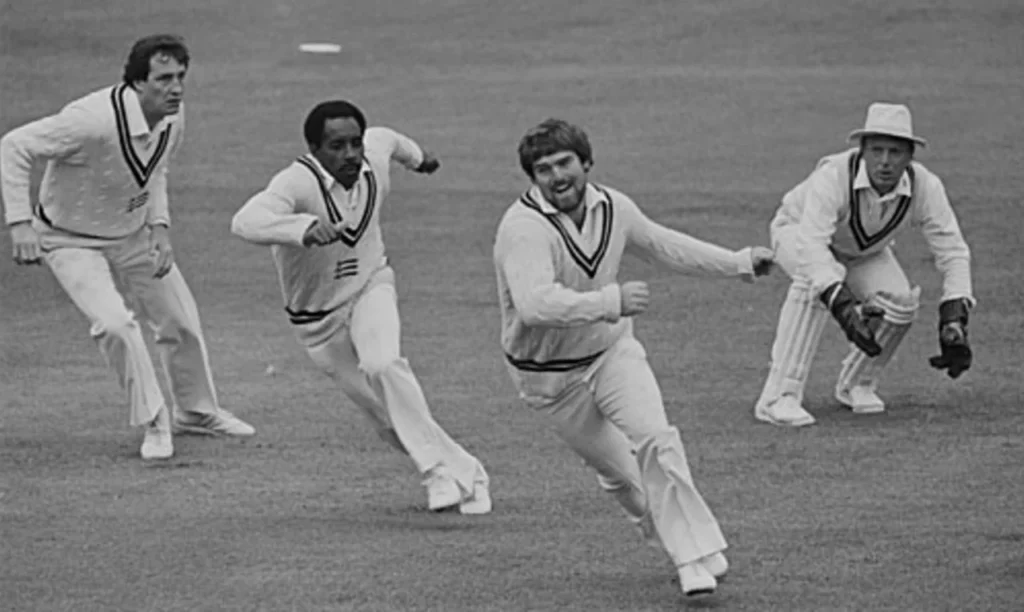
John Emburey produced an exceptionally economical performance against India at The Oval in 1986. The England spinner bowled 11 overs and conceded only 15 runs, including two maiden overs. His economy rate of 1.36 was remarkable, particularly because he maintained such control over an extended spell.
Although Emburey did not take a wicket, his contribution was still highly valuable because he restricted India’s scoring opportunities. Giving away only 15 runs in 11 overs created sustained pressure on the Indian batting line-up. His spell is therefore one of the strongest examples of the Best Economy Rates in an Innings in England vs India ODIs, proving that a bowler can have a major impact without taking wickets.
| Overs | Mdns | Runs | Wkts | Econ |
| 11.0 | 2 | 15 | 0 | 1.36 |
1. B Wood
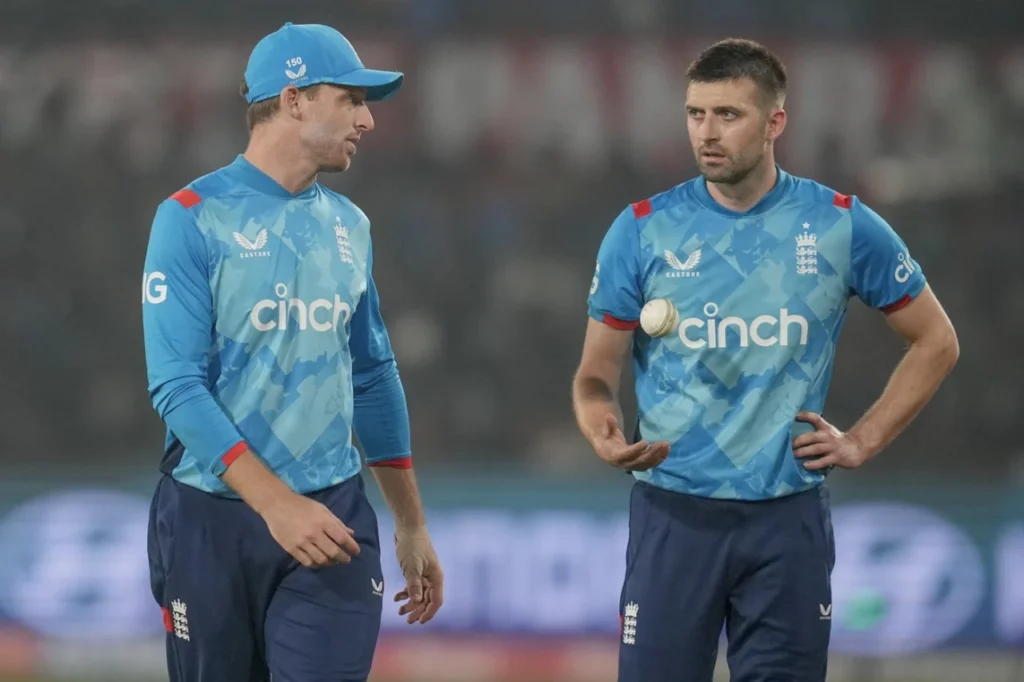
B Wood holds the top position among the Best Economy Rates in an Innings in England vs India ODIs with an extraordinary economy rate of just 0.80. During the historic ODI at Lord’s on June 7, 1975, Wood bowled five overs and conceded only four runs. He also bowled two maiden overs, producing one of the most economical spells in the England-India ODI rivalry.
Wood did not take a wicket during his spell, but his contribution was still exceptional because he allowed India to score only four runs from five overs. An economy rate below one run per over is extremely difficult to achieve in ODI cricket, making this performance particularly remarkable. His outstanding control and ability to restrict scoring opportunities place him at number one in the Best Economy Rates in an Innings in England vs India ODIs.
| Overs | Mdns | Runs | Wkts | Econ |
| 5.0 | 2 | 4 | 0 | 0.80 |
The Best Economy Rates in an Innings in England vs India ODIs provide a clear example of how important economical bowling has been throughout this historic rivalry. These performances show that a bowler does not always need to take several wickets to influence an ODI. Keeping the opposition’s scoring rate low can create pressure, limit boundaries, force mistakes, and give teammates opportunities to attack from the other end.
From B Wood’s remarkable 0.80 economy rate to John Emburey’s 1.36 and Harbhajan Singh’s 1.40, these spells represent some of the finest examples of bowling discipline in England versus India ODIs. The Best Economy Rates in an Innings in England vs India ODIs also cover different bowling styles, including spin, pace, swing, and all-round ability. Every player on the list demonstrated exceptional control and helped their team restrict the opposition’s scoring. These figures remain an important part of the statistical history of one of ODI cricket’s most recognized rivalries.
FAQs
1. What are the Best Economy Rates in an Innings in England vs India ODIs?
The Best Economy Rates in an Innings in England vs India ODIs feature some outstanding bowling performances. B Wood leads the list with an economy rate of 0.80, followed by JE Emburey at 1.36 and Harbhajan Singh at 1.40.
2. Who has the best economy rate in England vs India ODIs?
B Wood has the best economy rate in this list of the Best Economy Rates in an Innings in England vs India ODIs. He conceded only four runs from five overs and finished with an economy rate of 0.80.
3. Which Indian bowler has the best economy rate against England in ODIs?
Among the performances listed, Harbhajan Singh has the best economy rate for India. He conceded 14 runs in 10 overs and finished with an economy rate of 1.40.
4. Which England bowler appears twice in the Best Economy Rates in an Innings in England vs India ODIs?
Andrew Flintoff appears twice in the list. His two performances came with economy rates of 1.71 and 1.50, showing his excellent control against India.
5. Does a bowler need to take wickets to have a good economy rate?
No. A bowler can have an excellent economy rate without taking wickets. For example, B Wood and JE Emburey did not take a wicket in the listed spells, but their ability to restrict runs earned them places among the Best Economy Rates in an Innings in England vs India ODIs.