
Bowling average is one of the most important statistics used to judge a bowler’s performance in One-Day International cricket. It shows how many runs a bowler concedes for every wicket they take. The lower the bowling average, the better the bowler has performed throughout their career. On the other hand, a higher bowling average means the bowler has struggled to dismiss batters consistently while giving away plenty of runs.
The list of the Worst Career Bowling Averages in ODIs features players who found it difficult to make a significant impact with the ball despite representing their countries at the international level. Some were specialist bowlers who could not consistently take wickets, while others were batting all-rounders or part-time bowlers whose primary responsibility was scoring runs. Regardless of their roles, their bowling records place them among the players with the Worst Career Bowling Averages in ODIs.
List of 10 Worst Career Bowling Averages in ODIs
10. Enamul Haque
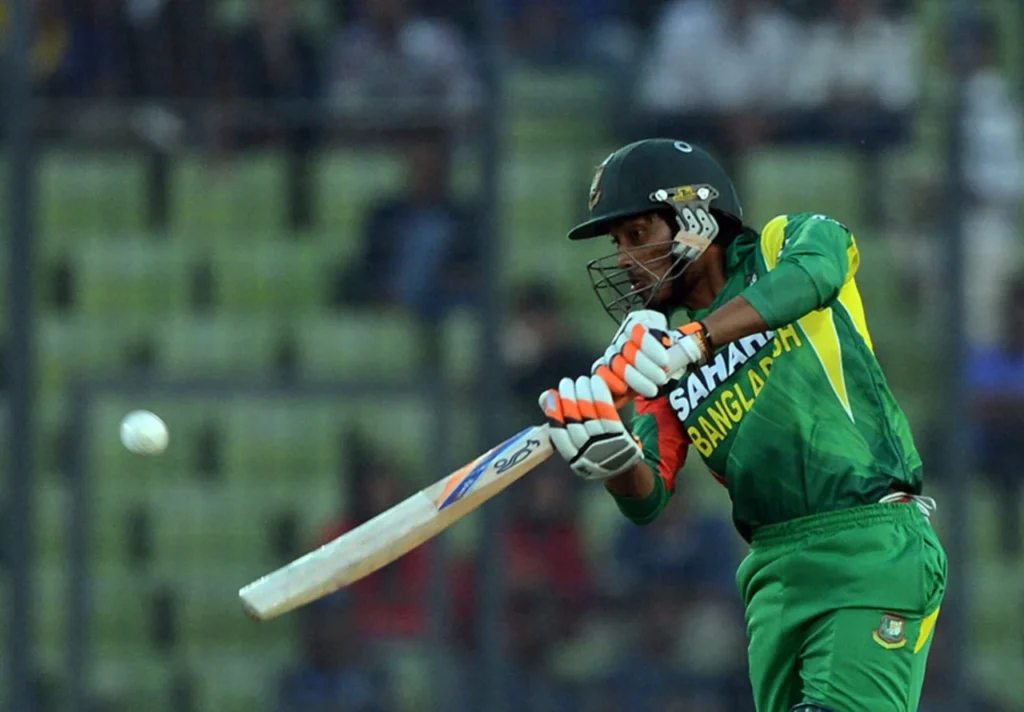
Enamul Haque represented Bangladesh during the early years of the country’s ODI journey. As a left-arm spinner, he was expected to slow the scoring rate and pick up wickets in the middle overs. However, his performances with the ball rarely produced match-winning results. He finished his ODI career with one of the Worst Career Bowling Averages in ODIs, taking only 19 wickets while conceding 1,083 runs. His bowling average of 57.00 reflects the challenges he faced against international batting line-ups. Although Bangladesh was still developing as an ODI team during his career, Enamul’s record continues to rank among the Worst Career Bowling Averages in ODIs.
| Stat | Record |
|---|---|
| Span | 1990–2002 |
| Matches | 29 |
| Runs Conceded | 1083 |
| Wickets | 19 |
| Best Bowling | 2/40 |
| Bowling Average | 57.00 |
9. John Bracewell
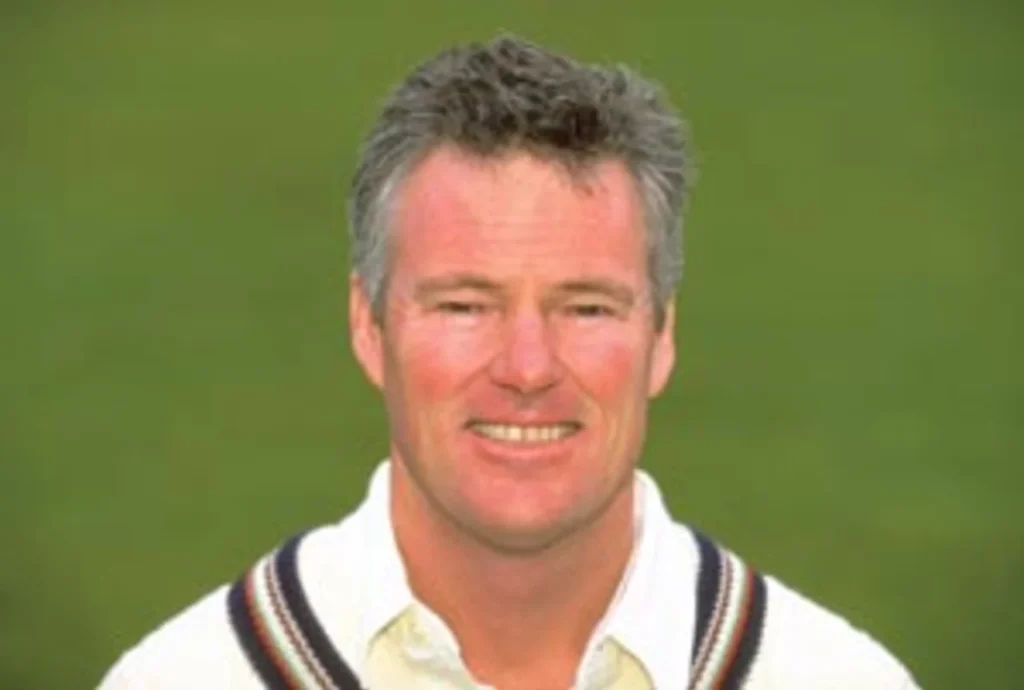
John Bracewell played ODI cricket for New Zealand during the 1980s and was known as a reliable off-spinner. Despite playing more than 50 ODI matches, he struggled to take wickets on a regular basis. Bracewell dismissed only 33 batters while conceding 1,884 runs, resulting in a bowling average of 57.09. His inability to produce frequent breakthroughs places him among the players with the Worst Career Bowling Averages in ODIs. Although he often kept the scoring under control, wickets were difficult to come by, which significantly increased his career bowling average. Today, his record remains part of the list of the Worst Career Bowling Averages in ODIs.
| Stat | Record |
|---|---|
| Span | 1983–1990 |
| Matches | 53 |
| Runs Conceded | 1884 |
| Wickets | 33 |
| Best Bowling | 2/3 |
| Bowling Average | 57.09 |
READ MORE: Top 10 Best Career Bowling Average in ODI History
8. Joe Root
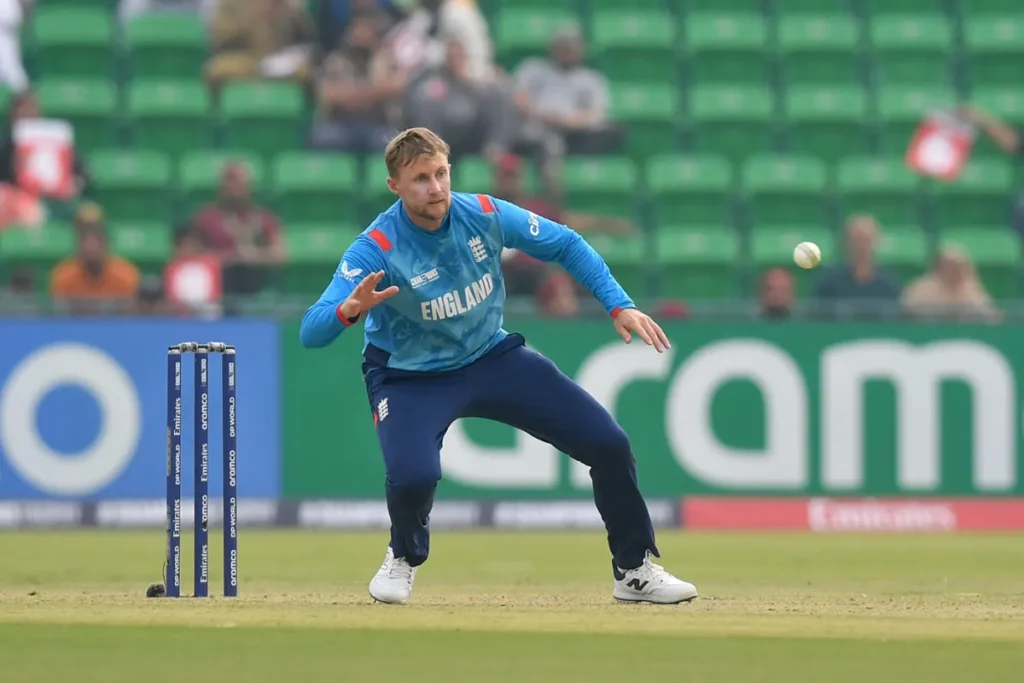
Joe Root is widely regarded as one of England’s finest batters, but his bowling record is far less impressive. Throughout his ODI career, Root has bowled only as a part-time off-spinner, mainly providing support when specialist bowlers needed a break. While he has claimed 30 wickets, he has also conceded 1,745 runs, giving him a bowling average of 58.16. Since bowling has never been his primary role, his place among the Worst Career Bowling Averages in ODIs is not surprising. His outstanding batting achievements have made him one of England’s greatest players, but statistically, he also features in the Worst Career Bowling Averages in ODIs because of his occasional bowling record.
| Stat | Record |
|---|---|
| Span | 2013–2026 |
| Matches | 192 |
| Runs Conceded | 1745 |
| Wickets | 30 |
| Best Bowling | 3/52 |
| Bowling Average | 58.16 |
7. Atul Sharma
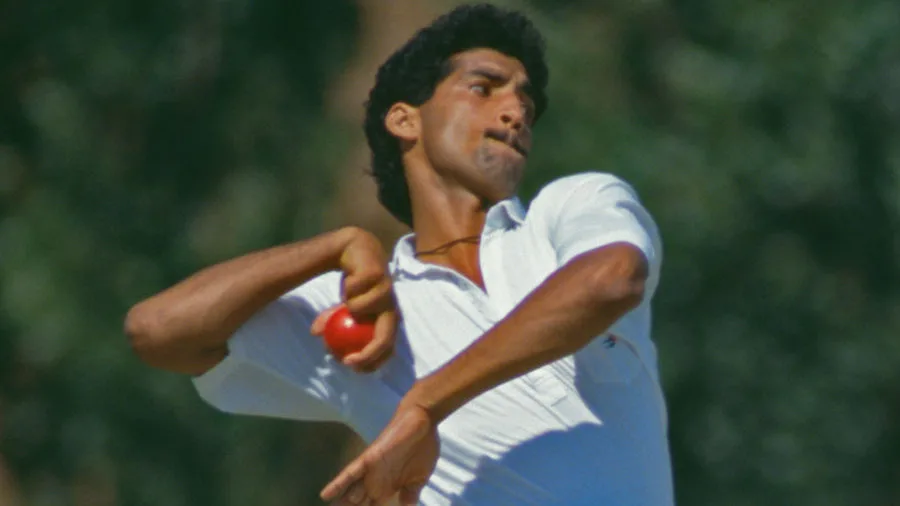
Atul Sharma represented India in One-Day Internationals between 1988 and 1993. During his international career, he played 31 matches but took only 15 wickets and conceded 875 runs. His bowling average of 58.33 is one of the highest recorded by an Indian bowler in ODI history, placing him among the players with the Worst Career Bowling Averages in ODIs. Although Sharma occasionally produced useful bowling spells, including his career-best figures of 3/41, he could not maintain consistency over a long period. His limited wicket-taking ability ensured he remained among the Worst Career Bowling Averages in ODIs.
| Stat | Record |
|---|---|
| Span | 1988–1993 |
| Matches | 31 |
| Runs Conceded | 875 |
| Wickets | 15 |
| Best Bowling | 3/41 |
| Bowling Average | 58.33 |
6. Luke Wright
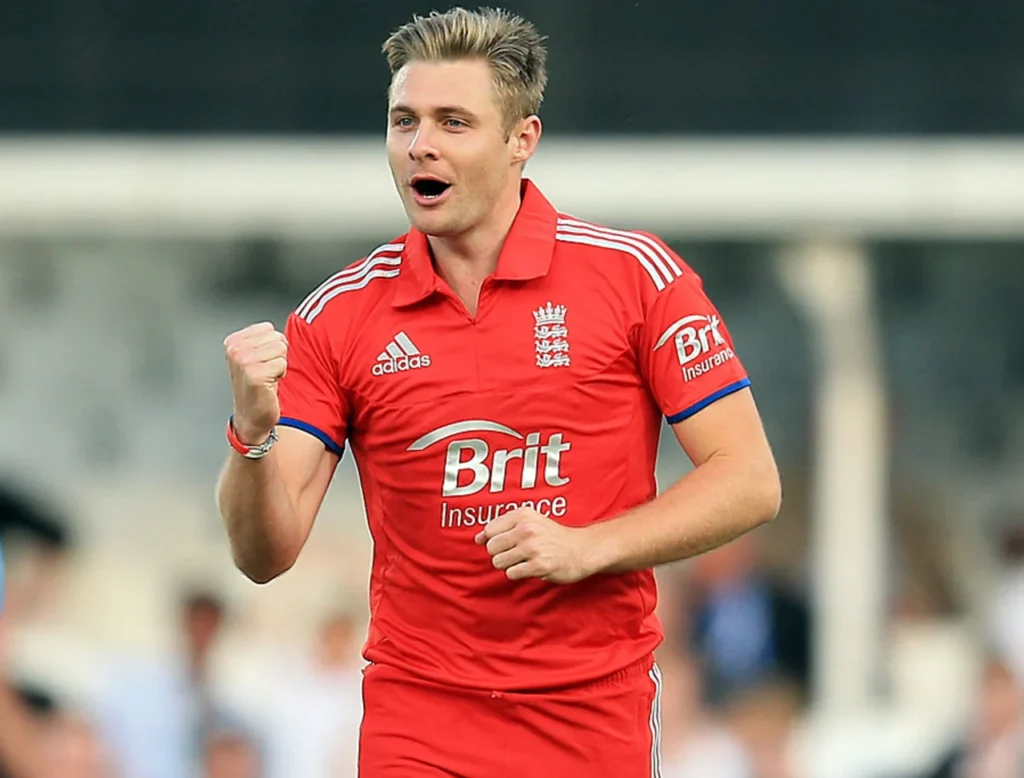
Luke Wright was a valuable batting all-rounder for England who occasionally contributed with medium-pace bowling. While he added balance to England’s ODI side through his batting and fielding, his bowling statistics were less impressive. Wright picked up only 15 wickets while conceding 884 runs during his ODI career, resulting in a bowling average of 58.93. These numbers place him among the players with the Worst Career Bowling Averages in ODIs. Since his main responsibility was scoring runs rather than leading the bowling attack, these statistics are understandable. Nevertheless, his record continues to feature among the Worst Career Bowling Averages in ODIs.
| Stat | Record |
|---|---|
| Span | 2007–2014 |
| Matches | 50 |
| Runs Conceded | 884 |
| Wickets | 15 |
| Best Bowling | 2/34 |
| Bowling Average | 58.93 |
5. Aiden Markram
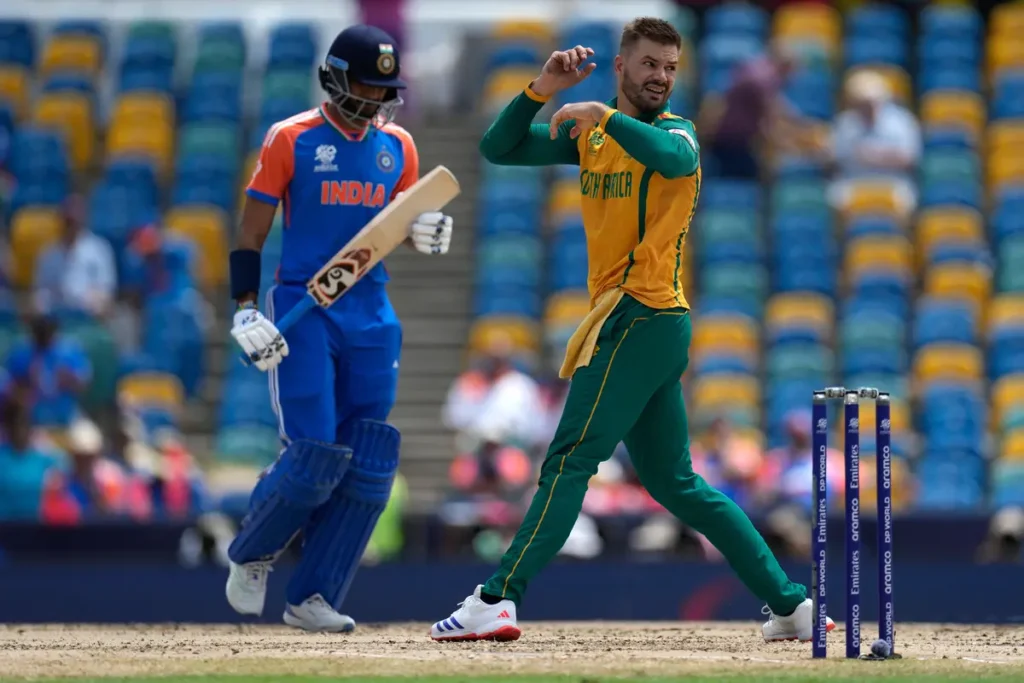
Aiden Markram has established himself as one of South Africa’s most dependable batters, while his off-spin bowling has mainly been used as a secondary option. Although he has occasionally broken important partnerships, his bowling record has never matched his batting success. Markram has taken only 20 wickets while conceding 1,227 runs in ODI cricket, leaving him with a bowling average of 61.35. These numbers place him among the players with the Worst Career Bowling Averages in ODIs. Since his primary responsibility has always been batting, his bowling figures are understandable, but they still rank among the Worst Career Bowling Averages in ODIs.
| Stat | Record |
|---|---|
| Span | 2017–2025 |
| Matches | 86 |
| Runs Conceded | 1227 |
| Wickets | 20 |
| Best Bowling | 2/18 |
| Bowling Average | 61.35 |
4. Ijaz Faqih
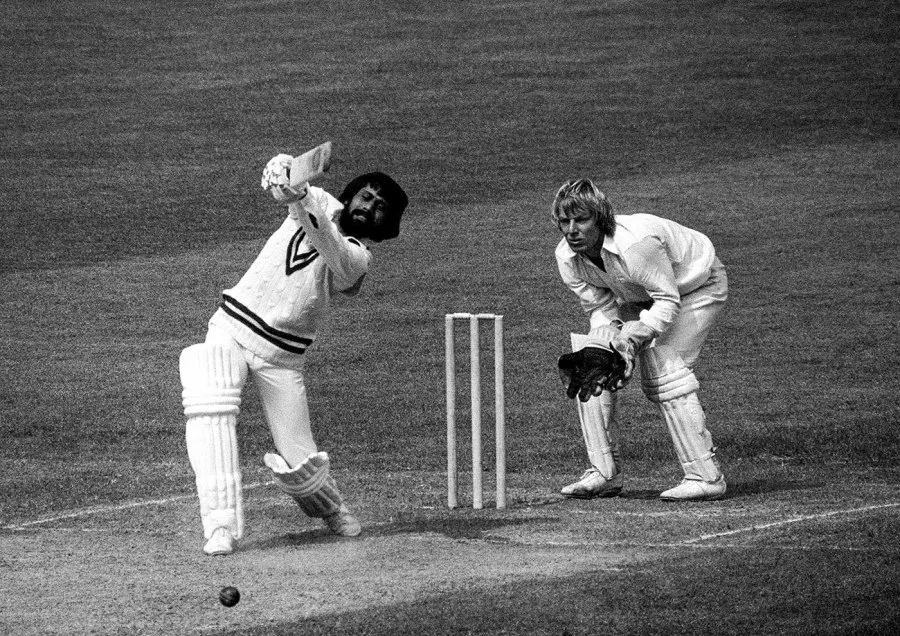
Ijaz Faqih represented Pakistan as a dependable all-rounder during the 1980s. He occasionally produced useful bowling performances, but he struggled to take wickets consistently throughout his ODI career. Faqih picked up only 13 wickets while giving away 819 runs in 27 matches, resulting in a bowling average of 63.00. Although his best bowling figures of 4/43 showed what he was capable of on his day, he could not maintain that level over a longer period. As a result, he remains one of the players with the Worst Career Bowling Averages in ODIs, and his career statistics continue to feature in discussions about the Worst Career Bowling Averages in ODIs.
| Stat | Record |
|---|---|
| Span | 1980–1988 |
| Matches | 27 |
| Runs Conceded | 819 |
| Wickets | 13 |
| Best Bowling | 4/43 |
| Bowling Average | 63.00 |
3. Mluleki Nkala
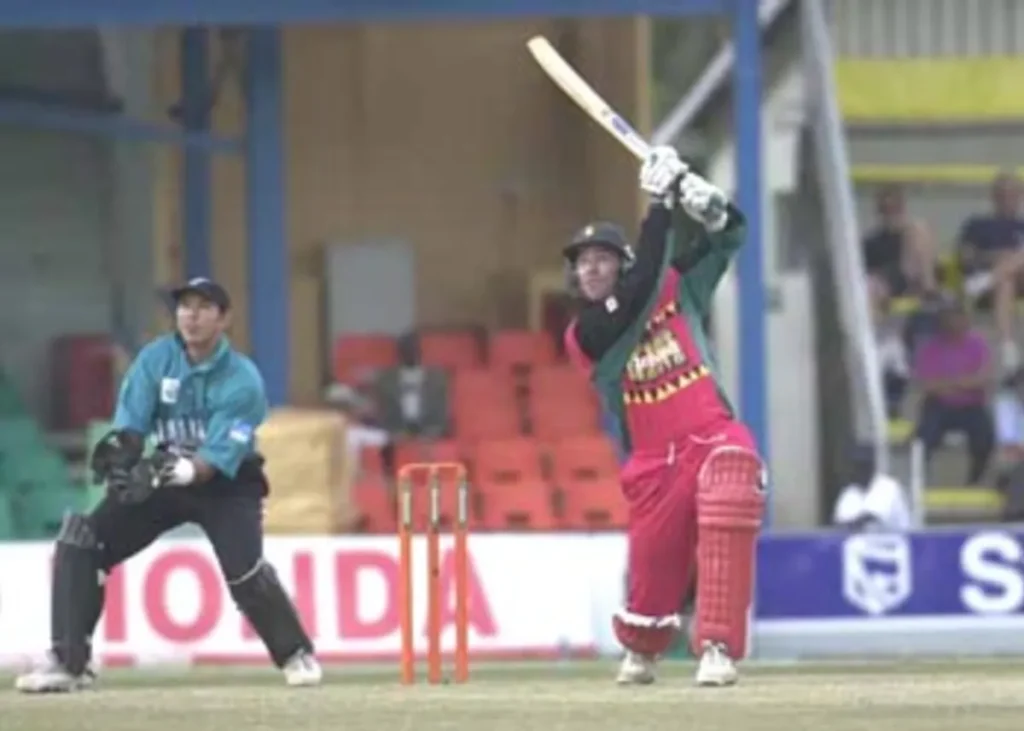
Zimbabwe fast bowler Mluleki Nkala was known for his pace and aggressive approach, but his ODI numbers were disappointing. During his international career, he played 50 matches and claimed only 22 wickets while conceding 1,570 runs. His bowling average of 71.36 is one of the highest in ODI history and comfortably places him among the Worst Career Bowling Averages in ODIs. Nkala often struggled to maintain consistency against strong batting line-ups, and his inability to take wickets regularly led to this unwanted record. His career remains one of the clearest examples of the Worst Career Bowling Averages in ODIs.
| Stat | Record |
|---|---|
| Span | 1998–2006 |
| Matches | 50 |
| Runs Conceded | 1570 |
| Wickets | 22 |
| Best Bowling | 3/12 |
| Bowling Average | 71.36 |
READ MORE: Top 5 Quickest Batters to 7000 ODI Runs
2. Naimur Rahman
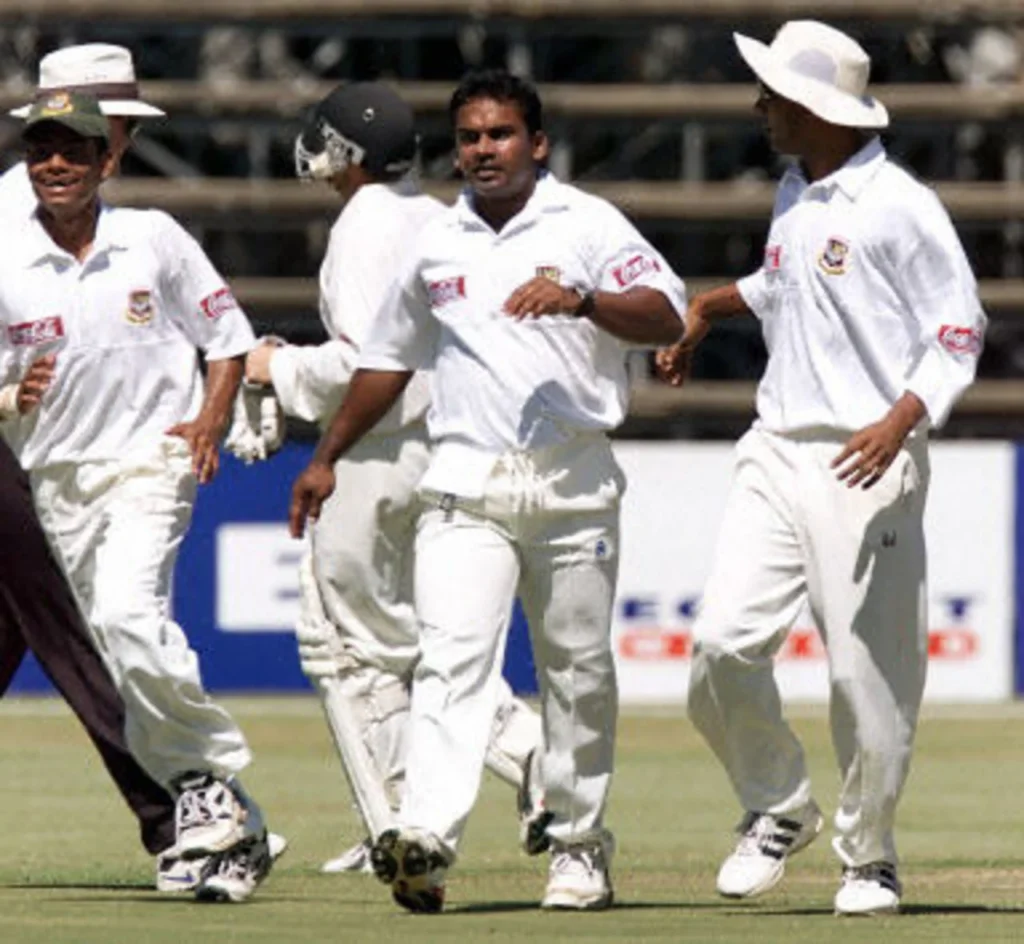
Naimur Rahman captained Bangladesh during the early years of the nation’s ODI history and was one of the team’s most experienced players at the time. However, his bowling statistics were far from impressive. Rahman managed only 10 wickets in 29 ODI matches while conceding 904 runs. His bowling average of 90.40 is one of the highest ever recorded in One-Day International cricket, making him one of the leading names on the list of the Worst Career Bowling Averages in ODIs. Very few bowlers have finished their ODI careers with an average above 90, making Rahman’s record particularly notable among the Worst Career Bowling Averages in ODIs.
| Stat | Record |
|---|---|
| Span | 1995–2002 |
| Matches | 29 |
| Runs Conceded | 904 |
| Wickets | 10 |
| Best Bowling | 2/51 |
| Bowling Average | 90.40 |
1. Mpumelelo Mbangwa
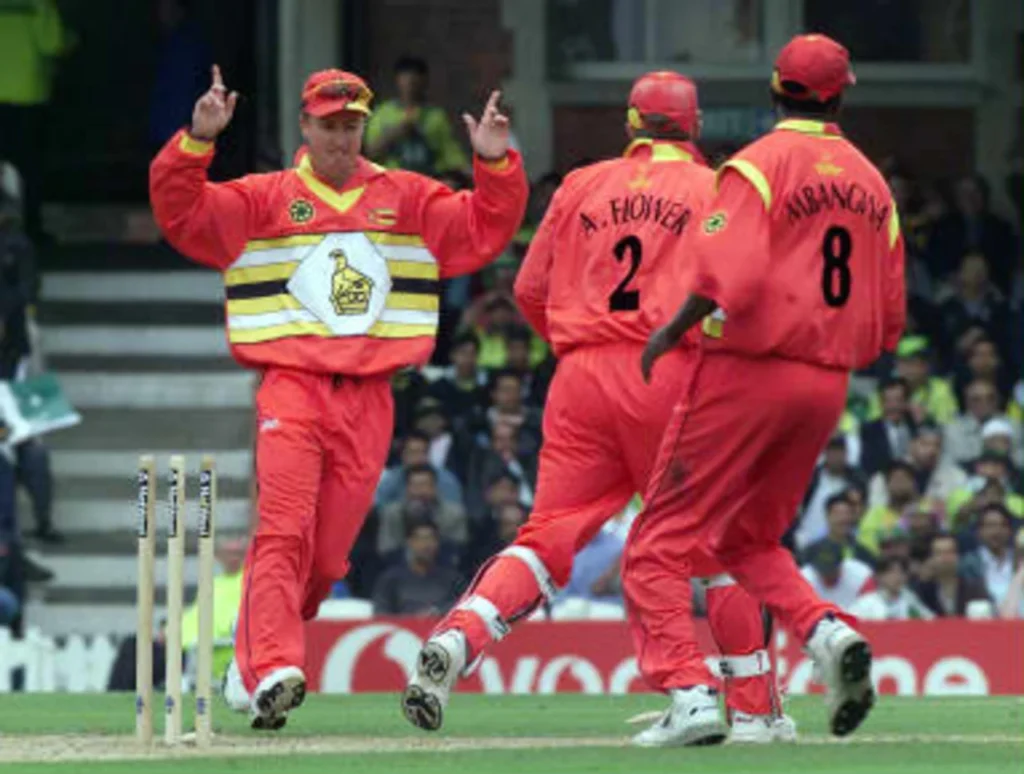
Former Zimbabwe fast bowler Mpumelelo Mbangwa holds the unwanted record for the Worst Career Bowling Averages in ODIs among players with a significant ODI career. Mbangwa appeared in 29 One-Day Internationals and took only 11 wickets while conceding 1,140 runs. His extraordinary bowling average of 103.63 means he gave away more than 103 runs for every wicket he claimed, making it the highest bowling average on this list. Although he was trusted to bowl with the new ball and always gave his best for Zimbabwe, he found it extremely difficult to trouble top-quality international batters. Because of these numbers, Mbangwa occupies the number one position in the Worst Career Bowling Averages in ODIs, a record that still stands out in ODI cricket history.
| Stat | Record |
|---|---|
| Span | 1996–2002 |
| Matches | 29 |
| Runs Conceded | 1140 |
| Wickets | 11 |
| Best Bowling | 2/24 |
| Bowling Average | 103.63 |
The Worst Career Bowling Averages in ODIs highlight that success in international cricket is not guaranteed, even for talented players. Some cricketers on this list were specialist bowlers who struggled to take wickets consistently, while others were batting all-rounders or part-time bowlers whose main responsibility was contributing with the bat. Although bowling average is an important measure of a bowler’s effectiveness, it should always be considered alongside factors such as opposition quality, playing conditions, team role, and the era in which a player competed.
Even so, the Worst Career Bowling Averages in ODIs remain one of the most interesting statistical records in cricket. They show how challenging ODI cricket can be for bowlers and remind fans that every player faces different circumstances during an international career. While these cricketers may not be remembered for their bowling records, they all represented their countries at the highest level, and their names continue to feature whenever the Worst Career Bowling Averages in ODIs are discussed.
FAQs
1. What is a bowling average in ODI cricket?
A bowling average in ODI cricket is the average number of runs a bowler concedes for every wicket they take. It is calculated by dividing the total runs conceded by the total wickets taken. A lower bowling average usually indicates a more successful bowler, while a higher average suggests the bowler struggled to take wickets consistently.
2. Who has the worst career bowling average in ODIs?
Former Zimbabwe fast bowler Mpumelelo Mbangwa holds the record for the Worst Career Bowling Averages in ODIs among players on this list. He finished his ODI career with a bowling average of 103.63, taking 11 wickets while conceding 1,140 runs in 29 matches.
3. Why do some batters appear on the list of the Worst Career Bowling Averages in ODIs?
Several players, such as Joe Root and Aiden Markram, are primarily batters who bowl only occasionally. Since bowling is not their main role, they have taken relatively few wickets while conceding many runs, resulting in high bowling averages that place them among the Worst Career Bowling Averages in ODIs.
4. Is bowling average the only statistic used to judge an ODI bowler?
No. While bowling average is one of the most important bowling statistics, it is not the only one. Cricket experts also consider a bowler’s economy rate, strike rate, wickets taken, match-winning performances, and the quality of opposition before judging their overall effectiveness.
5. What is considered a good bowling average in ODIs?
A bowling average below 30 is generally considered excellent in ODI cricket, while an average between 30 and 35 is regarded as good. Bowlers with averages above 50 have usually struggled to make a significant impact, which is why they often feature in discussions about the Worst Career Bowling Averages in ODIs.